

Evil is defined here as morally bad and while morals are a unique concept to each individual, there appears to be a clear stereotype about who or what is considered evil. This stems from the belief that hurting others is immoral, and for most it is an unnatural decision; so why would anyone decide to take the initial steps towards being evil?
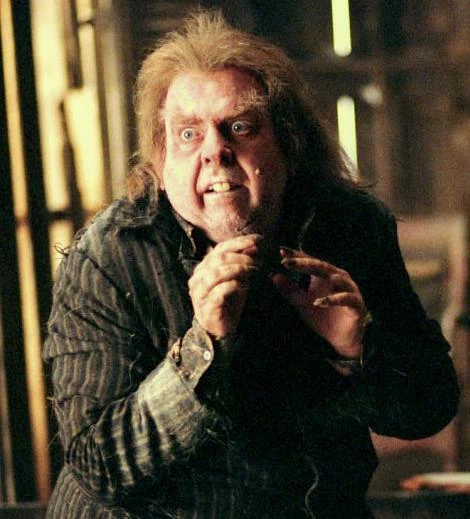 There are a plethora of reasons that an individual would suddenly change the alignment of their moral compass but none of these may trigger such a reaction unless he or she is internally weak. This is not limited to a weak mind but one could be excessively emotional, have suppressed desire or hate, unfulfilled potential, fear or discontent. As this character would have previously been seen as a protagonist or moral person, these would be masked or contained, either by their taught set of principles or a wish to be socially accepted. One example is Peter Pettigrew from Harry Potter; he is a coward who is easily broken in the face of evil. In Macbeth, the thane and eventual king appears to be discontented and is emotionally manipulated in to his crime, to some extent.
 The initiation in to evil is not the same for each of the turned individuals. It could be triggered by an event of some kind, a realization, an internal or external pressure, or a heightened emotion. In Macbeth, the play's namesake is started off on the "primrose path to everlasting bonfire" when he hears the Wyrd sisters, the witches, tell the prophecies. While at first he seems shocked, he quickly realizes his desire for the power they described and that it may not be acquirable in a pleasant way. The play also illustrates the influence of external pressure, in the form of Lady Macbeth. Her desire for power is much clearer than Macbeth's and she taunts and bullies him in to committing the deeds.
 The consequence of the turn to to evil and the dark actions that follow is that a ghost will cause you to disrupt your own dinner party. Well, at least that is how Macbeth experienced it, his guilt. Guilt leads to self-hate and paranoia or fear. The paranoia will lead to isolation and an unstable temper. For Macbeth, he comes to the conclusion that he has descended down the path too far to turn back, driven by fear of losing his new conquest of power. His hallucinations of the dagger and Banquo's ghost, and his dramatic response to the blood on his hands all stemmed from his deep feelings of guilt, and his refusal to accept such.
HAPPY BIRTHDAY MRS. GENESKY!!! THANKS FOR ALL YOU DO!!!


I like how you compared different instances of people becoming evil. you brought up some good points about how a person could become evil that i havent ever thought about. Also i enjoy your pictures of "evil" characters. they also fit the mold that something dramatic happened to them that caused them to be evil
ReplyDeleteFor me the most interesting part of this is the incorporation of outside characters and plots. Introducing characters such as Harry Potter gives this piece a whole new perspective because it allows for a further analysis of Macbeth as a man and as a ruler. I also enjoyed that you added in how people can become evil along with what the drawbacks of becoming evil are, this adds to the overall message of your piece quite nicely.
ReplyDelete